
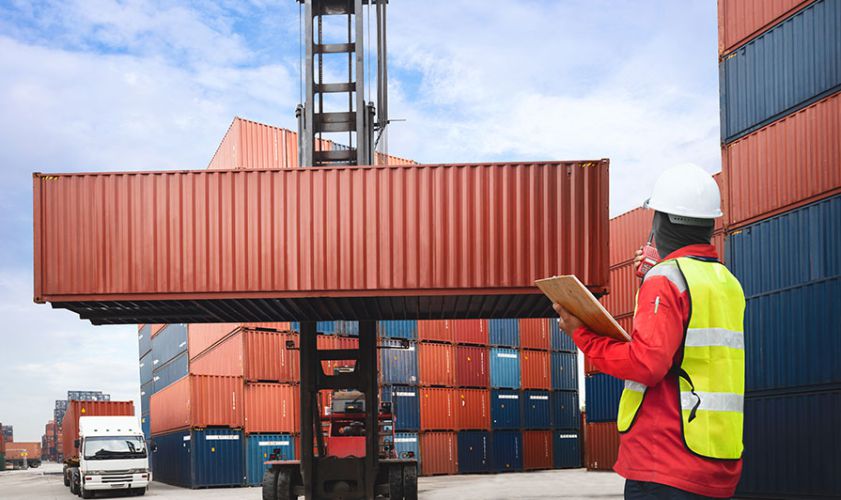
The market for shipping containers has grown beyond transportation and logistics, finding applications in construction, storage, retail, and even modern housing. While new containers are available, a growing number of people prefer to buy used shipping containers because they offer durability, cost savings, and sustainability. These versatile steel structures are designed to withstand harsh conditions, making them ideal for repurposing in countless creative and practical ways. Whether for expanding storage capacity, building modular offices, or creating affordable housing, used containers have become an essential resource for both businesses and individuals.
The Advantages of Purchasing Used Containers
The decision to buy used shipping containers often comes down to cost-effectiveness. Used containers are significantly less expensive than new ones, making them an appealing option for those on a budget. Despite being more affordable, they remain structurally sound since they are built to endure years of heavy use at sea. This strength translates into long-term value, as they can last for decades when properly maintained.
Another important factor is sustainability. Repurposing containers helps reduce waste by giving them a second life outside the shipping industry. Instead of leaving old containers idle in ports or storage yards, many are now converted into functional spaces or storage units. This eco-friendly approach supports a circular economy, reducing the need for new steel production and minimizing environmental impact.
Flexibility is also a major advantage. Used shipping containers come in standard sizes, usually 20 or 40 feet, but they can be modified to suit specific needs. Many buyers choose to insulate, paint, or install doors and windows to adapt containers into livable or workable spaces. Businesses often repurpose them into pop-up shops or mobile offices, while homeowners transform them into workshops, sheds, or even guest houses. The adaptability of containers makes them a valuable investment for a wide range of projects.
Popular Uses for Used Shipping Containers
The demand for used shipping containers is driven by their wide range of applications across different industries. For storage purposes, containers provide secure, weather-resistant options that protect goods from theft and environmental damage. Many small businesses use them as cost-effective warehouse extensions, while homeowners use them for seasonal equipment, furniture, or tools.
In construction, containers are increasingly popular for modular buildings. Architects and developers use them to create affordable housing solutions, mobile classrooms, and temporary offices on construction sites. Their uniform dimensions make them easy to stack and arrange, which allows for creative layouts and scalable designs. With minimal modification, containers can be connected, ventilated, and insulated to serve as comfortable living or working environments.
Retail and hospitality businesses have also embraced container repurposing. Cafes, bars, and food stalls often operate out of customized containers, creating a unique and eye-catching experience for customers. Pop-up shops benefit from the mobility and durability of containers, allowing businesses to relocate easily while maintaining a professional space. In addition, event organizers often rely on containers for ticket booths, storage, or temporary structures at festivals and fairs.
The agricultural sector has also discovered practical uses. Farmers and urban growers buy used shipping containers to convert them into hydroponic farms, storage for feed and equipment, or even mobile offices. Their strength and durability make them suitable for rural and urban environments alike.
How to Choose the Right Container When Buying Used
Not all used containers are the same, and selecting the right one is essential for a successful investment. The first factor to consider is the container’s condition. Containers are usually categorized as “one-trip,” “cargo-worthy,” or “as-is.” One-trip containers have only been used once for shipping and are close to new, while cargo-worthy containers are still strong enough for transport. As-is containers may have visible wear, dents, or rust, but they can still be suitable for certain projects like storage.
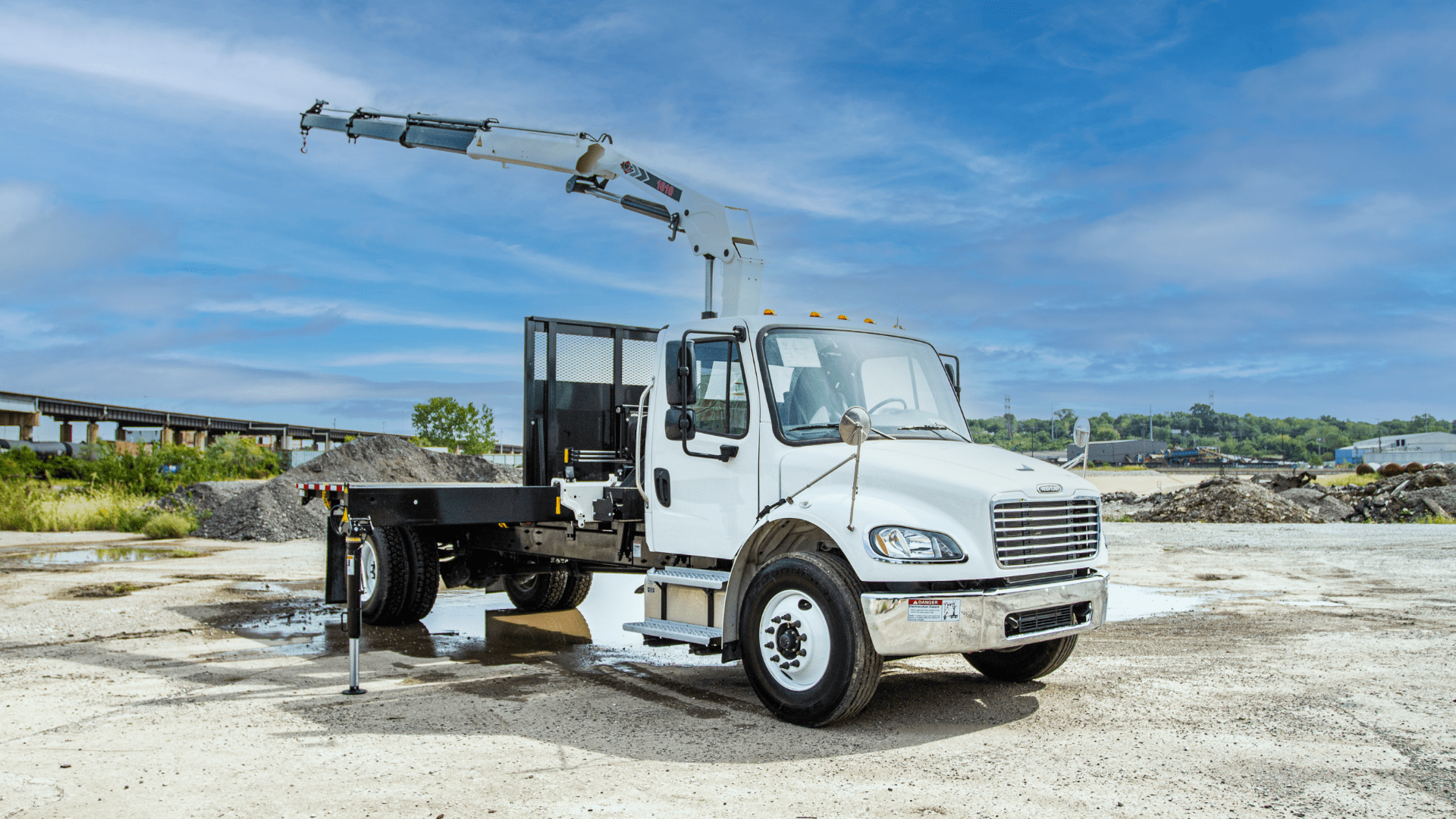
Location and delivery also play an important role. Containers are large and heavy, requiring specialized equipment for transportation. When planning to buy used shipping containers, it is important to confirm whether the supplier offers delivery and placement services. Buyers should also ensure there is enough space on-site to accommodate delivery trucks and cranes if necessary.
Customization options should also be considered. Many suppliers offer modification services, allowing buyers to add insulation, ventilation, or electrical wiring. This is especially important for those planning to use containers as offices, homes, or retail spaces. By working with suppliers who provide customization, buyers can save time and money compared to arranging modifications separately.
Tips for Maintaining Used Shipping Containers
Once purchased, proper maintenance ensures that used shipping containers remain functional and secure for many years. Regular inspections help identify rust spots, dents, or leaks that may compromise durability. Treating rust early with protective coatings prevents structural issues from developing. Proper ventilation is also important, especially for containers used as living or working spaces, to prevent condensation and moisture buildup.
For containers placed directly on the ground, installing a foundation or concrete pad helps prevent corrosion and ensures stability. Painting the exterior not only improves appearance but also provides additional protection against the elements. By following these practices, owners maximize the lifespan of their investment and keep the container in excellent condition.