
Artificial intelligence and emerging technology events are designed around innovation, experimentation, and interaction. From startup showcases and developer conferences to product launches and corporate technology summits, these gatherings bring together people who are naturally interested in new experiences. A well-planned photo booth can complement that atmosphere by giving attendees an entertaining way to interact with technology while creating something they can share long after the event.
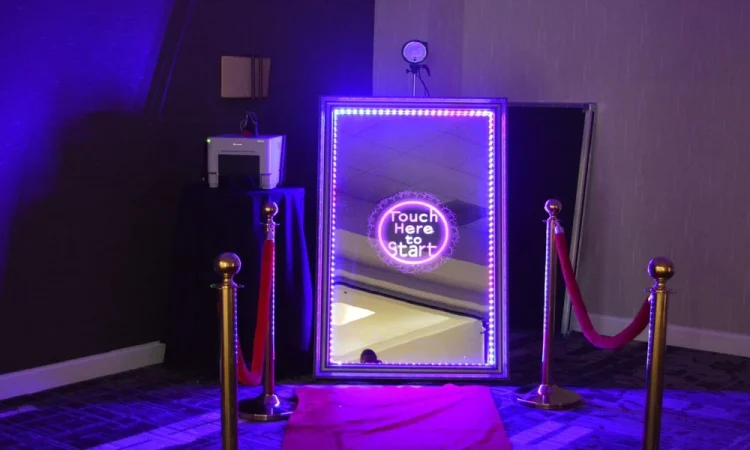
For organizers searching for photo booth rental austin, the goal should not simply be to place a camera in a corner. The strongest setups are designed around the event’s audience, venue, branding, and technology theme. Interactive effects, digital sharing, AI-inspired visuals, and customizable experiences can turn a traditional photo opportunity into a memorable part of the event.
Why Photo Booths Work Well at AI and Technology Events
Technology conferences can sometimes become information-heavy. Attendees may spend hours listening to presentations, visiting exhibitor booths, participating in workshops, or networking with other professionals. A photo booth creates a lighter activity that allows people to pause, interact, and have fun.
A technology-focused booth can also support the overall identity of an AI event. Instead of relying only on conventional portraits, organizers can incorporate digital effects, artistic transformations, animated elements, virtual backgrounds, and other creative features.
The experience can serve several purposes at once:
- Give attendees an interactive break between sessions.
- Encourage networking among participants.
- Create memorable event keepsakes.
- Provide shareable social media content.
- Reinforce conference branding.
- Add an experiential element to an exhibition floor.
- Encourage visitors to spend more time around an activation.
When the booth experience is connected to the event’s theme, it feels like part of the program rather than an unrelated entertainment feature.
Choosing the Right Photo Booth for an AI Event
Not every photo booth offers the same experience. Before selecting a setup, event planners should consider what attendees will actually do with it and how the booth fits into the wider event environment.
Consider the Audience
AI and technology events often attract developers, engineers, founders, investors, marketers, researchers, designers, and business leaders. A booth aimed at this audience can benefit from technology-driven features rather than overly traditional wedding-style designs.
Interactive features are particularly useful because technology professionals are often curious about how new systems work. A booth that transforms images or responds to user input can become a conversation starter.
Think About the Event Format
A booth for a small networking evening may need a very different configuration from one used at a large technology expo.
For example, a conference with hundreds of attendees may require a fast and intuitive experience so that lines move efficiently. A smaller executive gathering might benefit from a more customized experience where guests have additional time to experiment with creative effects.
Match the Venue
Austin offers a wide variety of event spaces, including conference centers, hotels, corporate offices, coworking spaces, exhibition halls, and creative venues. The available floor area, lighting conditions, power access, and guest flow should all be considered before installation.
A compact booth can work well in a busy networking area, while a larger open-air setup may be more suitable for an exhibition floor.
AI-Powered Features That Can Make a Booth More Interesting
The biggest opportunity at an AI technology event is to make the booth itself feel technologically relevant. Instead of simply taking photographs, modern systems can transform the way attendees experience their images.
Digital Backgrounds
Digital backgrounds can place attendees in futuristic environments, virtual laboratories, abstract technology landscapes, or branded event scenes. This can be particularly effective when the physical venue has limited space for elaborate sets.
Artistic Image Transformations
AI image processing can turn an ordinary photograph into something visually distinctive. Depending on the system, guests might receive a stylized portrait, illustration, painting, or other artistic interpretation.
This approach gives attendees something that feels personalized rather than generic.
Animated and Interactive Effects
Motion-based effects can make the experience more engaging. Participants may be surrounded by digital particles, animated graphics, futuristic interfaces, or other visual elements that appear as part of the final image or video.
These effects can also help differentiate a technology event from more traditional corporate gatherings.
Creating an AI-Themed Photo Experience
An effective AI photo booth should have a clear creative concept. Simply adding the word “AI” to a backdrop is unlikely to make the experience memorable.
Instead, event organizers can build a visual theme around ideas associated with artificial intelligence and innovation.
Potential concepts include:
- Future city environments.
- Generative art-inspired portraits.
- Digital data landscapes.
- Robotic environments.
- Abstract neural network visuals.
- Space and technology themes.
- Virtual reality-inspired scenes.
- Futuristic corporate portraits.
The visual direction should remain easy for attendees to understand. If guests need a lengthy explanation before they can use the booth, the experience may lose momentum.
Branding Without Making the Experience Feel Like an Advertisement
Branding is important for corporate technology events, but excessive branding can make an experience feel more like a marketing display than entertainment.
A better approach is to incorporate subtle branding into the visual experience. Logos can appear on digital frames, downloadable images, backgrounds, or event-themed overlays. The event name and date can also be included in a tasteful way.
This allows attendees to receive a personalized image while naturally associating it with the event.
Use Consistent Visual Elements
Colors, typography, logos, and graphic elements should match the broader event identity. Consistency helps the photo experience feel integrated with presentation screens, signage, exhibitor areas, and promotional materials.
The booth can also be designed to complement the venue rather than competing visually with it.
How Photo Booths Encourage Networking
One of the biggest advantages of an interactive booth is its ability to encourage conversations.
Attendees who have never met may naturally approach the booth together. Colleagues can create group photographs, while exhibitors can invite conference visitors to participate in a shared experience.
This can be particularly useful during networking breaks. Instead of having attendees remain within their existing groups, an interactive activity provides an easy reason to start a conversation.
For example, a group might compare different AI-generated versions of their photographs or discuss which visual style they prefer. The technology becomes a natural conversation starter.
Photo Booths at Austin AI Conferences and Expos
Large conferences often have busy schedules, and attendees may move quickly between sessions. A strategically positioned photo booth can help create an informal gathering point.
For exhibition floors, placement is especially important. The booth should be visible without blocking walkways or interfering with exhibitor displays. A location near networking lounges, food areas, or major entrances can increase participation.
At smaller AI-focused events, the booth can become a central social feature. An artistic transformation experience, for instance, may give attendees something to discuss while waiting for the next presentation.
Digital Sharing and Social Media
Modern event photo booths can provide digital copies that attendees can save or share. This is valuable because technology professionals frequently communicate through digital platforms rather than relying on printed souvenirs.
Digital delivery can also reduce the need for large quantities of printed photographs. Depending on the setup, guests may receive their images through a digital gallery, QR code, email, or another delivery method.
Event organizers should make the sharing process simple. Too many steps can discourage participation.
Encourage Responsible Sharing
If attendees are encouraged to post their images publicly, the experience should respect privacy and consent. Participants should understand what happens to their photographs and whether images are stored after the event.
Clear communication helps create a more comfortable experience, especially at professional conferences where attendees may be representing companies or organizations.
Using an AI Watercolor Experience
Artistic transformations can provide a strong bridge between technology and creativity. Instead of presenting AI as something purely technical, an artistic booth demonstrates how computational tools can produce visually expressive results.
An ai watercolor photo booth can transform a standard portrait into a watercolor-inspired image, giving attendees a personalized digital artwork. This type of experience works particularly well at creative technology events because it demonstrates the intersection of artificial intelligence, visual design, and human expression.
The concept can also appeal to people who may not normally participate in a conventional photo booth. Someone interested in digital art, design, or generative technology may be curious to see how their portrait changes.
Practical Planning Tips for Event Organizers
A successful photo booth experience requires more than selecting an interesting effect. Planning should begin well before the event.
Consider these practical factors:
- Space: Reserve enough room for the booth, equipment, and waiting guests.
- Power: Confirm that the venue provides suitable electrical access.
- Internet: Determine whether the booth requires a reliable connection for digital delivery.
- Lighting: Check the venue’s ambient lighting and available illumination.
- Traffic: Position the booth where it can attract attention without creating congestion.
- Branding: Prepare logos and visual assets in appropriate formats.
- Privacy: Establish clear policies for image storage and sharing.
- Staffing: Determine whether an attendant is needed to guide participants.
- Event schedule: Identify periods when attendee participation is likely to be highest.
These details can significantly affect the quality and efficiency of the experience.
Making the Experience Accessible
AI events bring together people with different backgrounds, abilities, and comfort levels. The photo booth should be straightforward to use and physically accessible where possible.
Instructions should be clear and concise. Touchscreen controls should be easy to understand, while the surrounding area should provide enough room for individuals and groups to participate comfortably.
Organizers should also consider whether participants can use the booth without extensive assistance. A simple interface allows more people to enjoy the experience independently.
Measuring the Success of a Photo Booth Activation
A photo booth can be evaluated using more than the number of pictures produced.
Event organizers may look at:
- Total participation.
- Number of group photographs.
- Digital downloads.
- Social shares where measurable.
- Average interaction time.
- Attendee feedback.
- Engagement during networking periods.
These observations can help determine whether the booth successfully contributed to the event experience.
For recurring conferences, the information can also guide future decisions. If attendees respond particularly well to artistic AI effects, for example, organizers may choose to develop that concept further at subsequent events.
Final Thoughts
AI and technology events are built around new ideas, and the best event experiences should reflect that spirit. A thoughtfully designed photo booth can provide entertainment while demonstrating practical applications of digital imaging, artificial intelligence, and creative technology.
From futuristic backgrounds and interactive effects to personalized artistic transformations, the possibilities go well beyond conventional event photography. With careful planning, appropriate branding, accessible design, and a simple sharing process, a photo booth can become an engaging part of an Austin technology event.
For organizers looking to explore a creative AI-driven concept, an ai watercolor photo booth can add an artistic dimension to the experience while giving attendees a unique digital keepsake.
FAQs
1. Why are photo booths suitable for AI technology events?
Photo booths provide an interactive break from presentations, workshops, and networking sessions. At AI events, they can go beyond traditional photography by incorporating digital backgrounds, image transformations, animations, and other technology-driven features. This makes the activity entertaining while also connecting naturally with the innovative theme of the event.
2. What type of photo booth is best for an Austin tech conference?
The best option depends on the conference format, audience, venue, and desired experience. Interactive digital booths are often effective because they can provide fast participation while offering creative effects. For larger conferences, ease of use and quick image delivery are particularly important to prevent long queues.
3. Can an AI photo booth be customized for a corporate event?
Yes. Many modern photo booth experiences can incorporate event-specific visual elements such as logos, colors, digital frames, backgrounds, and themed artwork. Customization should remain tasteful and consistent with the event’s identity. The objective is to make the attendee’s final image feel personal while still connecting it with the overall conference.
4. How can a photo booth encourage networking?
A photo booth naturally gives attendees a reason to interact with one another. Colleagues can take group photographs, while new contacts may participate together during networking breaks. Interactive AI effects can create additional conversation because participants can compare transformations, discuss visual results, and share their experiences with others nearby.
5. Should AI event photo booths provide digital images?
Digital delivery is particularly useful for technology-focused events because attendees can access and share their photographs without waiting for physical prints. QR codes, online galleries, or other digital delivery methods can make the process convenient. Organizers should also communicate clearly about image storage, privacy, and sharing before participation.