
Balanced heating and cooling depend on how well each HVAC component performs within the system. In Birmingham, where seasonal temperature shifts require both efficient heating and reliable cooling, properly selected and maintained parts help regulate indoor comfort. Each component contributes to airflow, temperature control, and energy distribution, which directly affects how evenly a space is conditioned.
When HVAC parts in Birmingham are properly selected and installed, airflow remains stable, and temperature differences between rooms are minimized. Issues such as uneven cooling or overheating sometimes trace back to worn or mismatched parts. Paying attention to system components supports consistent performance and reduces operational strain.
Key Components That Influence System Balance
The performance of HVAC systems depends on the interaction between multiple parts. Properly functioning components play a direct role in maintaining steady airflow and temperature control across residential and commercial spaces.
Air Filters And Airflow Regulation
Air filters control the quality and volume of air moving through the system. Clean filters allow steady airflow, which helps maintain consistent temperatures in all rooms. Clogged filters restrict airflow, forcing the system to work harder and causing uneven heating or cooling.
Thermostats And Temperature Accuracy
Thermostats manage how the system responds to indoor temperature changes. Accurate calibration ensures that heating and cooling cycles run at the right intervals. Faulty thermostats can lead to irregular cycling, which disrupts temperature balance and creates discomfort.
Blower Motors And Air Distribution
Blower motors push conditioned air through ducts. Properly functioning motors maintain consistent airflow strength, allowing even distribution throughout the property. Weak or failing motors can result in certain areas receiving less conditioned air.
How Part Condition Affects Efficiency And Comfort
The condition of HVAC components directly impacts system efficiency and indoor comfort. Maintaining parts in good condition helps prevent imbalances that affect both performance and energy use.
Ductwork And Air Leakage
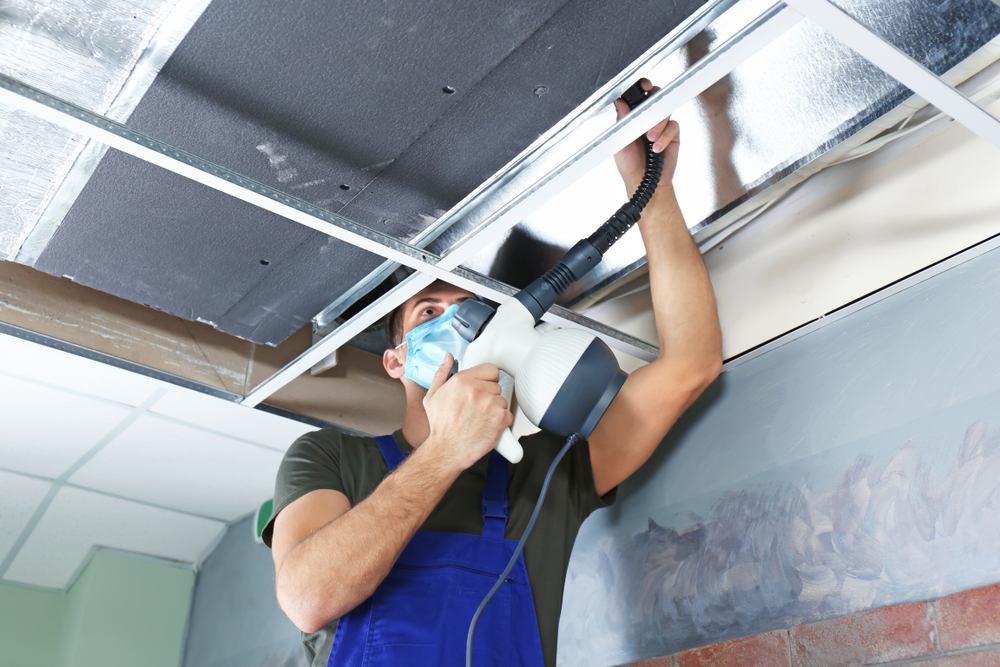
Duct systems distribute air to different parts of a building. Sealed and properly designed ducts ensure that conditioned air reaches intended spaces without loss. Leaks or blockages reduce efficiency and create noticeable temperature differences between rooms.
- Damaged ducts allow air to escape before reaching target areas
- Poor insulation in ducts affects temperature consistency
- Blocked vents restrict airflow and reduce system balance
Coils And Heat Exchange Efficiency
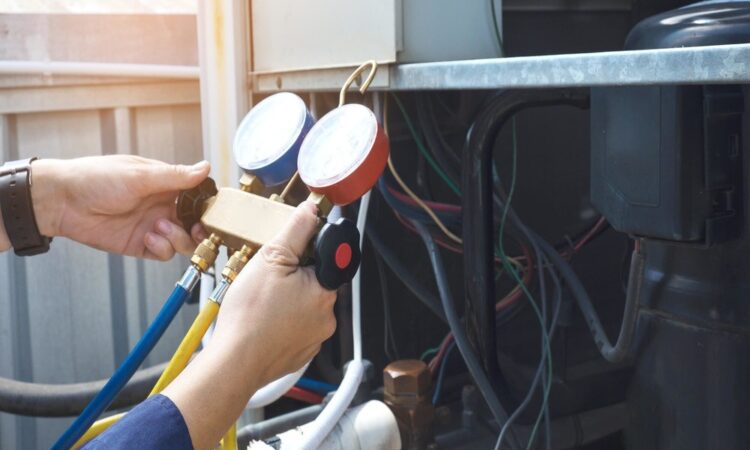
Evaporator and condenser coils handle heat transfer within the system. Clean and functional coils support efficient temperature regulation. Dirty or damaged coils reduce the system’s ability to heat or cool effectively, leading to uneven indoor conditions.
- Reduced heat exchange lowers system performance
- Accumulated debris affects airflow and temperature control
- Coil damage leads to inconsistent heating and cooling output
Mid-System Performance And Component Alignment
System balance depends on how well all parts work together under varying conditions. Using appropriate HVAC parts in Birmingham ensures compatibility and supports consistent operation during both heating and cooling cycles. Proper alignment between components prevents strain on the system and maintains stable indoor temperatures.
When each part operates within its intended capacity, the system distributes air evenly and responds accurately to temperature changes. This coordination reduces the likelihood of hot or cold spots and supports a comfortable indoor environment throughout the year.
What To Check Before Choosing HVAC Parts Providers For System Efficiency
Parts providers should supply components that match system capacity, airflow requirements, and equipment specifications. Proper compatibility ensures smooth operation and prevents airflow restrictions that can disrupt temperature balance across different areas.
Evaluating supplier consistency, inventory standards, and product accuracy helps maintain long-term system stability. Reliable providers reduce the risk of repeated part failures and support efficient heating and cooling performance.
Proper HVAC parts play a central role in maintaining balanced heating and cooling in Birmingham. Each component contributes to airflow, temperature control, and overall system efficiency. Regular attention to part condition and performance helps ensure consistent indoor comfort and supports reliable operation across all seasons.