
Tips for Integrating a Dining Table Seamlessly Into Your Living Space

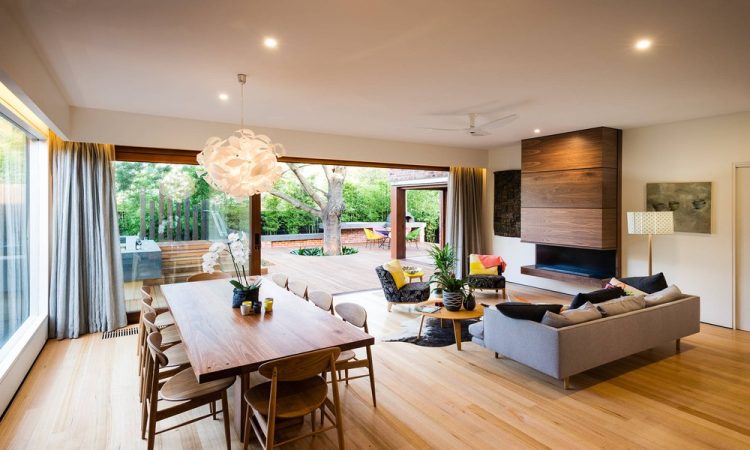
Blending a dining table into your living space can transform how you experience your home, but it is rarely as simple as placing furniture and hoping everything falls into place. Suddenly, your cozy living room feels tight, and the charm of entertaining gets lost in the shuffle between sofa and sideboard.
Why Integrating a Dining Table Into Your Living Space Can Be Challenging
Every home presents its own puzzle. Open-plan layouts promise flexibility, yet they bring new headaches: where do you define each area? In smaller spaces, that challenge grows. It’s easy to end up with a dining table that crowds the sofa or disrupts the intent of your room’s design.
Functionality is another balancing act. A table needs enough room for chairs to move, while still allowing people to navigate easily. Prioritizing usability often comes at the expense of aesthetics, and vice versa. Overlook traffic flow, and you might find yourself weaving awkwardly around a chair just to reach the kitchen.
Choosing the Right Dining Table for Your Living Area
Selecting a dining table for a multi-use space requires more than just measuring your available square footage. The table’s shape and size should echo the room’s proportions. In a narrow room, an oval or rectangular table often encourages movement and maximizes seating. A round table can visually soften square or compact zones.
Style and material matter just as much. A glass-top table can make small rooms feel spacious, while wood brings warmth that links living and dining zones. If your living area leans modern, choose sleek finishes; for traditional spaces, opt for classic wood grains or mixed materials. When form meets function, look at extendable or drop-leaf tables that adapt on demand. These options save space but still cater to guests.
For those seeking inspiration, browsing collections like the tables à manger Avant-Scene provides ideas on how style and functionality intersect.
Layout Strategies to Harmonize Dining and Living Zones
Distinct spaces can coexist in harmony, even without physical boundaries. Rugs are a subtle way to set each zone apart while maintaining a fluid visual connection. Layering a bold carpet beneath the dining table, then echoing its pattern or color in living room accents, creates instant cohesion.
Lighting does more than brighten a room. Pendant lights above the dining table draw the eye and delineate the dining area, while floor lamps in the living section offer a softer ambience. Furniture placement should reinforce this logic: position the sofa as a gentle divider or use open shelving to separate yet connect both zones.
To keep the room feeling open, avoid placing bulky items directly in natural walkways. An uncluttered space encourages conversation and makes both areas feel larger.
Color, Texture, and Accessories to Blend the Dining Table Naturally
A harmonious palette pulls everything together. Pick two or three core colors and use them across both living and dining areas, from upholstery to art and accent pieces. This approach avoids visual chaos and creates an intentional look.
Textures are just as crucial. Consider pairing a sleek wooden table with a woven rug, or soft dining chairs with crisp linen napkins. Even small touches, like a ceramic vase or metallic candleholders, bridge the gap between casual living and formal dining.
Table centerpieces shouldn’t dominate. Instead, choose low-profile floral arrangements or minimalist trays that don’t interrupt sight lines or feel out of place beside living room décor.
Solutions for Small or Open-Plan Living Spaces
For compact homes, versatility is everything. Extendable or drop-leaf tables can shrink for daily use, then expand for gatherings. Built-in bench seating saves space and, when paired with storage, helps control clutter.
Vertical storage, think floating shelves or tall cabinets, frees up floor space for movement. If you crave a subtle boundary, lightweight screens or open bookcases create visual separation without sacrificing light or airflow.
Practical Steps to Implement Your Dining Table Integration
Start by carefully measuring your space and mapping possible layouts. Use painter’s tape to outline your table’s footprint and experiment with different arrangements before making a final decision. This process reveals potential bottlenecks and helps avoid costly mistakes.
Once your configuration feels right, keep your design flexible. Swapping out chairs, rotating rugs, or changing centerpiece décor allows your space to evolve with your needs.
Expert Tips and Common Mistakes to Avoid
Oversized furniture is a frequent misstep. Prioritize proportion over capacity, ensuring every item leaves enough breathing room. Lighting, often overlooked, should enhance ambiance and delineate function. Don’t forget about the flow of movement, tight passageways make everyday tasks frustrating.
Final Touches to Perfect Your Integrated Living-Dining Space
Personal style counts, but less is often more. Choose a few favorite pieces that speak to you, rather than overwhelming the room with accessories. Consider maintenance, too: opt for finishes and materials that handle spills and wear gracefully.
Finally, design with people in mind. Arrange seating to encourage conversation and make sure everyone feels included, no matter where they sit. When every element works together, your dining table becomes an effortless extension of your living space, blurring the lines between eating, relaxing, and gathering.